How to Choose a Pipeline Construction Contractor in Texas
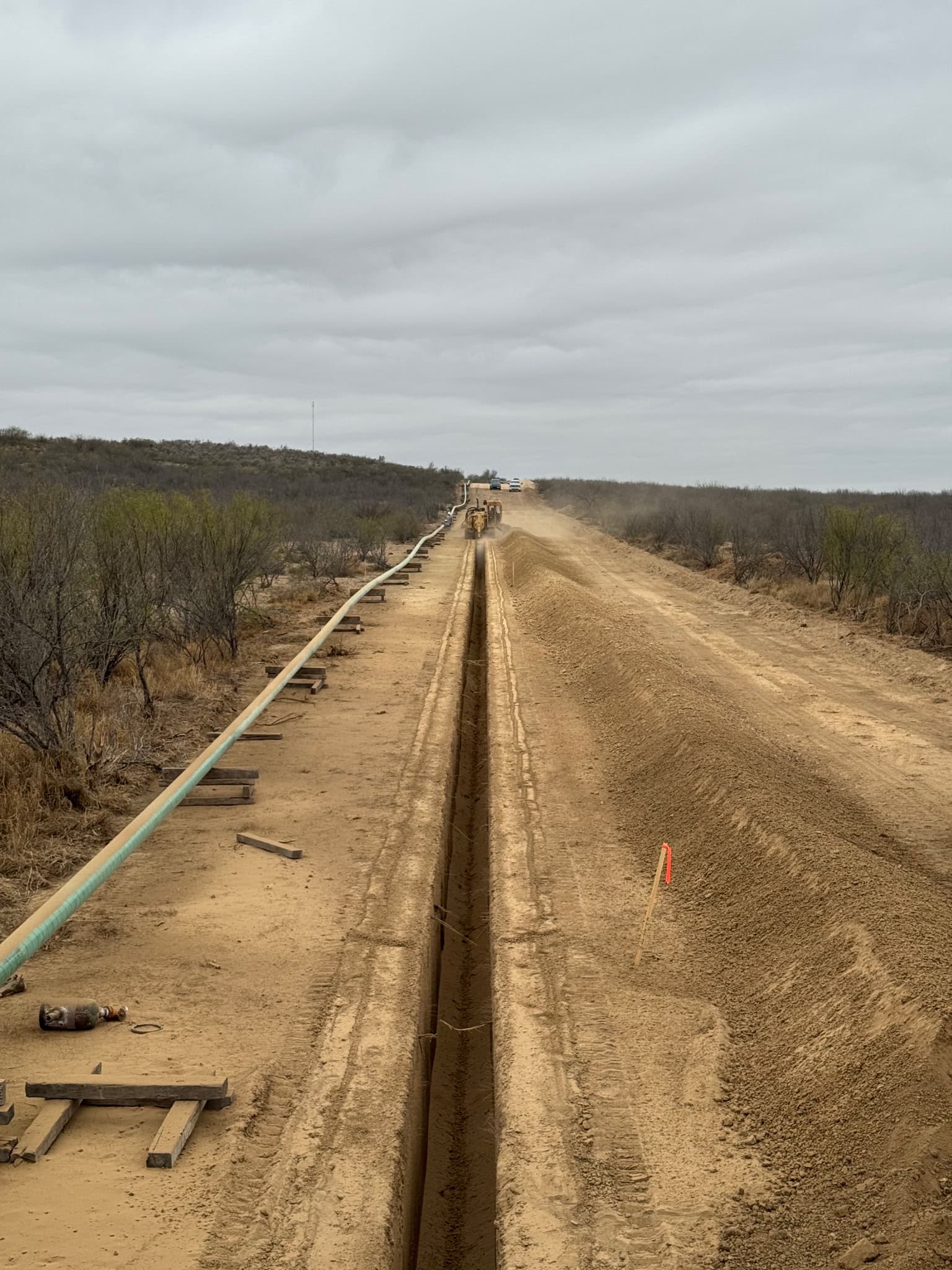
Picking a pipeline construction contractor is one of the decisions that quietly decides whether a project finishes on time and on budget. A low bid that turns into change orders, missed tie-in windows, or failed hydrotests costs far more than the difference between quotes. This guide walks through what operators and project managers in Texas should check before awarding pipeline work.
1. Confirm Welder Qualifications
Welding is the heart of pipeline construction, and federal rules spell out what a qualified welder is. For gas pipelines, 49 CFR 192.227 requires each welder to be qualified under API Standard 1104 or Section IX of the ASME Boiler and Pressure Vessel Code. Hazardous liquid lines have a parallel requirement in Part 195.
What to ask a contractor:
2. Ask How Their People Fit Your OQ Program
Under PHMSA's Operator Qualification (OQ) rule (49 CFR Part 192 Subpart N for gas and Part 195 Subpart G for hazardous liquids), the operator must make sure that anyone performing a covered task on its pipeline is qualified, and that includes contractor personnel. In practice, that means the contractor's crew has to meet your OQ program requirements before they touch a covered task.
Ask early how the contractor tracks OQ qualifications for its people and how quickly it can document them for your program. Sorting this out before mobilization avoids crews sitting idle on day one.
3. Review the Safety Record
Safety performance is usually the first filter in contractor prequalification. Common measures include:
4. Check Damage Prevention Practices
Pipeline work means digging near other buried lines. In Texas, excavators must notify the one-call notification center (Texas 811) no later than 48 hours before excavating, not counting weekends and legal holidays, and no earlier than 14 days before the work begins. A contractor that builds one-call notices into its schedule, rather than treating them as an afterthought, protects your crews and your timeline.
5. Make Sure the Quote Covers the Whole Scope
Two quotes for the same line can look far apart simply because one leaves things out. When comparing bids, check whether each covers:
A contractor that prices every part of the job up front gives you a number you can actually budget around. A lower number that excludes testing or restoration usually comes back later as a change order.
6. Ask About Schedule and Mobilization
Pipeline schedules hinge on dates you don't control: a spud date, a frac date, a plant startup, or a shutdown window for a tie-in. Ask the contractor:
7. Look for Regional Experience
Texas basins are not interchangeable. Soil conditions, caliche availability, haul distances, and drive times differ between the Eagle Ford and the Permian. A contractor that already works in your area knows the local conditions and can usually mobilize faster than one coming in from across the state.
A Simple Contractor Checklist
Working With GTO Construction
GTO Construction has built and repaired pipelines for oil and gas operators across South Texas and the Permian Basin since 2011, from our base in Three Rivers, TX. Our welders test regularly to keep their certifications current, we quote the full scope of the job up front, and we respond to quote requests within 1 business day.
Learn more about our pipeline construction services, hydrostatic testing, and fabrication and welding, or read how a pipeline is built. When you have a project coming up, request a quote.
References
This article is general information, not legal or regulatory advice. Confirm requirements against current regulations and your company's contractor program.
Ready to Start Your Project?
Contact GTO Construction today for expert construction services throughout South Texas and the Permian Basin.
Get a Free Quote