How a Pipeline Is Built: The Pipeline Construction Process Explained
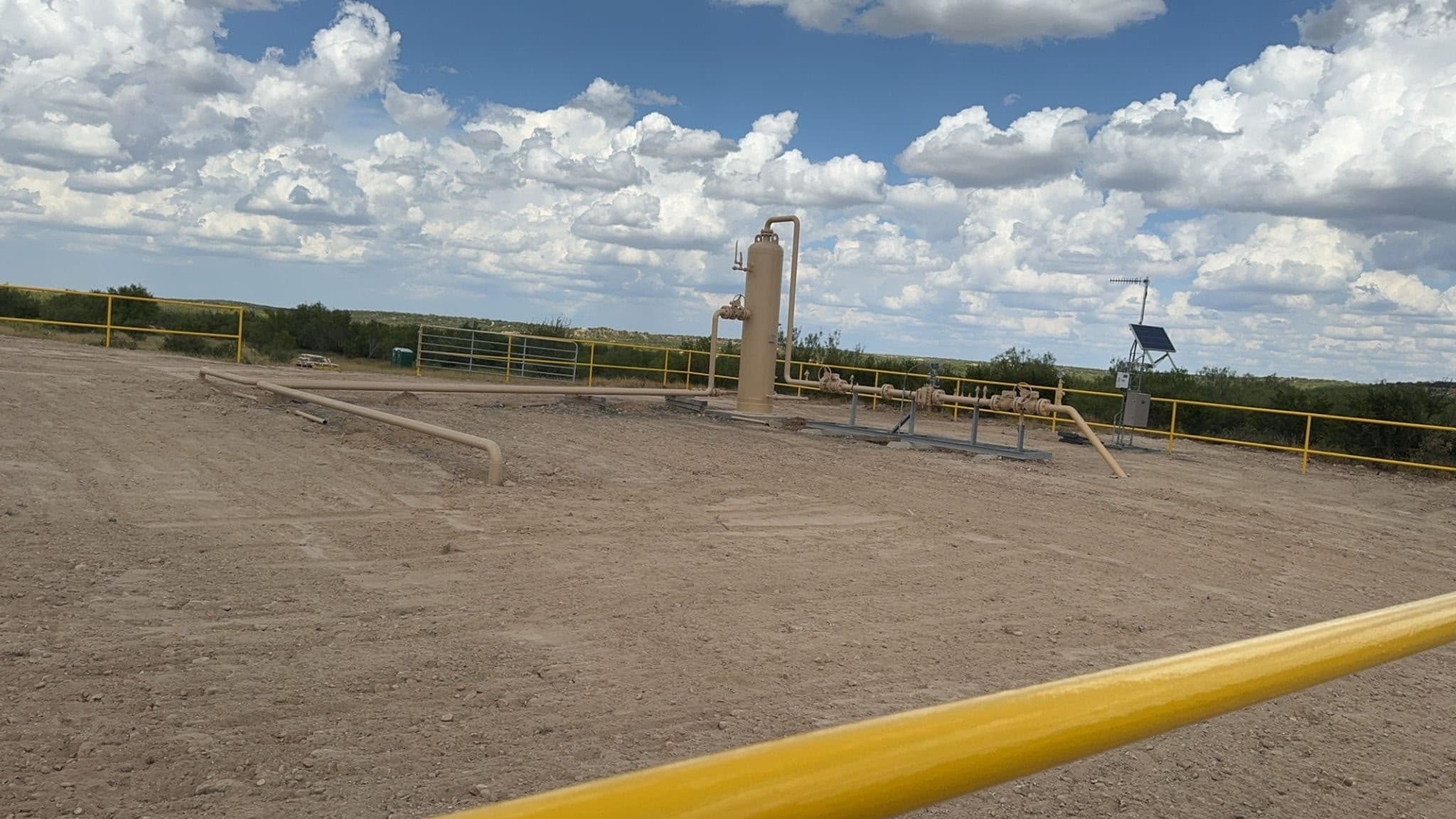
The construction of a pipeline is one of the most carefully sequenced projects in the energy industry. Whether it is a gathering line moving product from a well pad or a larger transmission line, the work follows a proven series of steps designed to deliver a safe, durable, code-compliant system. Here is how pipeline construction typically unfolds in the field.
1. Planning, Survey, and Right-of-Way
Every pipeline begins on paper. Engineers determine the route, pipe diameter, wall thickness, and material based on the product being moved and the pressures involved. Surveyors then stake the right-of-way, and crews secure the permits and landowner agreements needed before any equipment arrives on site.
2. Clearing and Grading
Once the right-of-way is established, crews clear and grade a working corridor. This gives heavy equipment a stable path and a safe area to string pipe, dig the trench, and stage materials. Environmental controls are put in place to manage erosion and protect nearby water.
3. Trenching
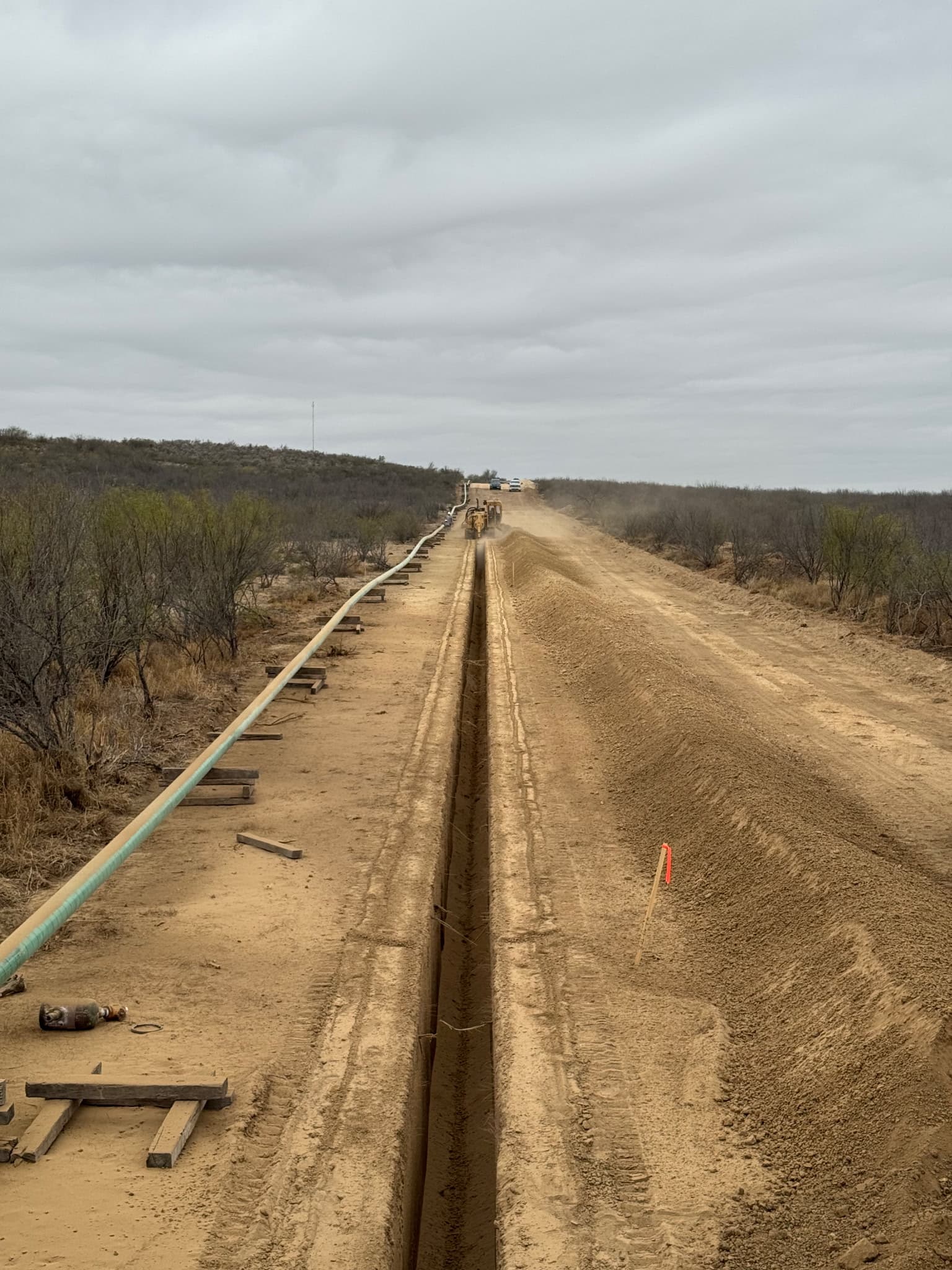
Excavators and trenching machines dig to the depth required by the design and by regulation. Trench depth matters: adequate cover protects the line from surface activity and temperature swings. In rocky South Texas and Permian Basin ground, trenching often calls for specialized equipment and experienced operators.
4. Stringing, Bending, and Fit-Up
Sections of pipe are laid out, or "strung," along the trench. Where the route changes direction, pipe is field-bent to match the terrain. Crews then fit the joints together precisely so they are ready to weld.
5. Welding
Welding is the heart of pipeline construction. Certified welders join each section, and the welds are the single most inspected element of the entire project. Quality here determines the integrity of the finished line, which is why operators look for crews with a strong welding and fabrication track record. You can read more about our [fabrication and welding services](/fabrication-welding/) and how they support every pipeline we build.
6. Inspection and Testing
Welds are inspected visually and, depending on the spec, with nondestructive examination. Once the line is welded and lowered into the trench, crews perform hydrostatic testing — filling the pipeline with water at elevated pressure to confirm there are no leaks and that the system meets all requirements before it goes into service.
7. Backfill and Restoration
After successful testing, the trench is backfilled and the right-of-way is restored as closely as possible to its original condition. Good restoration protects the landowner's property and keeps the project in compliance.
Why the Process Matters
A pipeline is only as good as the crew that builds it. Cutting corners on trench depth, weld quality, or testing creates safety and environmental risk that no operator can afford. That is why experience, certified welders, and documented quality control are worth far more than the lowest bid.
GTO Construction has been building and repairing pipelines across the [Eagle Ford Shale](/service-areas/eagle-ford-shale/) and [Permian Basin](/service-areas/permian-basin/) since 2011. If you have a pipeline project coming up, we would be glad to talk through the scope and timeline with you.
Ready to Start Your Project?
Contact GTO Construction today for expert construction services throughout South Texas and the Permian Basin.
Get a Free Quote