What Is API 1169? Pipeline Construction Inspection Explained
If you have spent time around pipeline projects, you have probably heard the term API 1169. It refers to a certification program from the American Petroleum Institute (API) for pipeline construction inspectors. Understanding what it covers helps operators and landowners appreciate why inspection is such a critical part of building a safe pipeline.
The Role of the Pipeline Construction Inspector
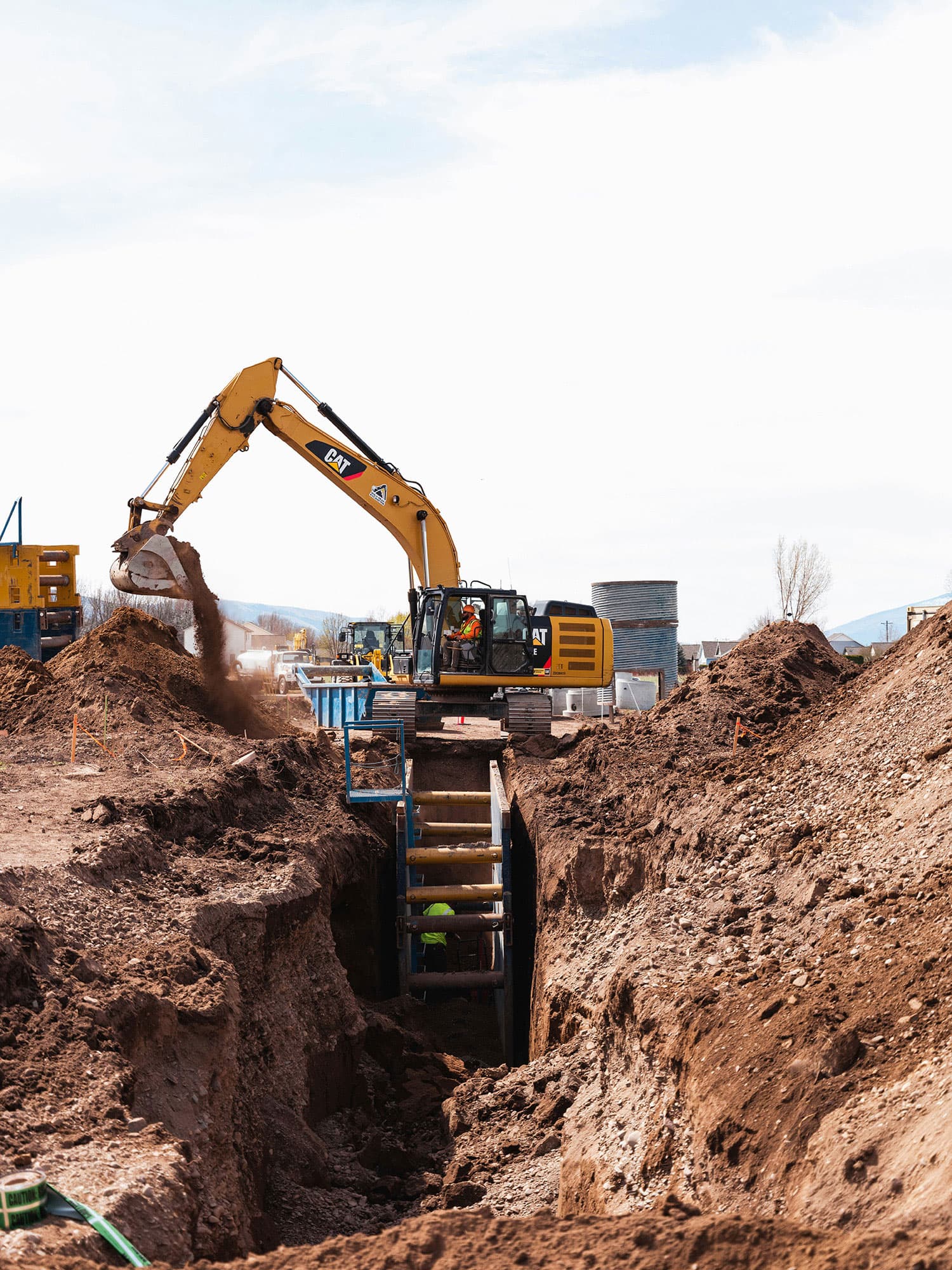
A pipeline construction inspector is the set of eyes on the right-of-way making sure the work matches the design, the specifications, and the regulations. They monitor activities like trenching, welding, coating, lowering-in, backfill, and testing, and they document what happens at each stage. When something does not meet spec, the inspector flags it before it gets buried.
What API 1169 Covers
The API 1169 certification establishes a baseline of knowledge for new pipeline construction inspectors. Broadly, it covers areas such as:
The goal is consistency: an API 1169-certified inspector brings a recognized, standardized understanding of how quality pipeline construction should be performed and verified.
Why It Matters for Your Project
Inspection protects everyone involved. For operators, thorough inspection reduces the risk of leaks, failures, and regulatory problems down the line. For landowners, it helps ensure the work is done responsibly and the property is restored. And for the contractor, strong inspection partnerships reinforce a culture of quality.
Even when an owner provides a third-party inspector, the contractor's own commitment to quality control is what makes inspections go smoothly. Documented procedures, certified welders, and careful testing mean fewer surprises and fewer delays.
Quality Is a Team Effort
Building a pipeline that passes inspection and performs for decades is the result of good planning, skilled crews, and disciplined documentation working together. You can read more about that sequence in our guide on [how a pipeline is built](/blog/how-a-pipeline-is-built-construction-process/), or about the welds at the center of it all in our overview of [welding and fabrication](/blog/welding-and-fabrication-in-pipeline-work/).
GTO Construction builds and repairs pipelines across the Eagle Ford Shale and Permian Basin with a focus on quality at every step. If you have a project on the horizon, [reach out for a quote](/contact/).
*This article is general information about industry standards and is not affiliated with or endorsed by the American Petroleum Institute.*
Ready to Start Your Project?
Contact GTO Construction today for expert construction services throughout South Texas and the Permian Basin.
Get a Free Quote